Program of Recovery for Alzheimers

Research over the past two decades focused on what helps sharpen memory has identified a program of recovery for Alzheimers. It would certainly be wonderful if one could take a pill or supplement and presto, five minutes later, memory is sharp as a tack. This sadly is a pipe dream which will never be realized.

The good news is that a set of daily habits do offer the opportunity to reverse dementia and celebrate a rejuvenation and regeneration of brain power. Below are listed the habits that make a difference to memory and recall in the long run.

  • A diet (often referred to as a Mediterranean diet) composed of 80% vegetables and “good” fats and 20% carbs.
  • Avoid eating sugar and packaged foods.
  • Regular exercise at least 4 times a week which involves a combination of cardiovascular (eg: running), stretching (eg: yoga) and strength (eg: weight lifting).
  • Fasting every day for at least 12 hours between the last meal of the evening and the first meal of the following morning.
  • At least 8 hours of sleep every night
  • Brain training (eg: https://www.brainhq.com)
  • Daily detoxing

Recovery does require an ongoing commitment to taking these actions. You will likely not celebrate a quick sharpening of memory – but persist. Making the steps listed above a daily habit will sharpen memory in the long run.

Robert Rodgers
Founder 2005
Alzheimers Recovery®
https://www.alzheimersrecovery.com

Plant Based Treatments for Alzheimers

As revealed in the three study abstracts posted below, researchers have recently been focusing their attention on plant based treatments for Alzheimers. Reviews of studies reveal promising results that provide an alternative to taking prescription medicines. Some of the more promising herbs are bacopa, ashwagandha, brahmi, cat’s claw, ginkgo biloba, gotu kola, lion’s mane and turmeric, though others have proved to be useful as well.

Research on Plant Based Treatments for Alzheimers

Brain Sci. 2025 Feb 19;15(2):215. Cholinesterase Inhibitors from Plants and Their Potential in Alzheimer’s Treatment: Systematic Review

Abstract

Introduction: Alzheimer’s disease (AD) is a neurodegenerative disorder characterized by memory loss and cognitive decline, primarily due to dysfunction of acetylcholine caused by acetylcholinesterase and butyrylcholinesterase.

While synthetic cholinesterase inhibitors like donepezil, rivastigmine, and galantamine are commonly used, they have notable side effects, prompting interest in natural alternatives.

Medicinal plants, rich in bioactive compounds like flavonoids and alkaloids, have shown potential as cholinesterase inhibitors with additional antioxidants and anti-inflammatory benefits. This study aimed to evaluate the cholinesterase-inhibiting effects of various plant species and their compounds to identify new therapeutic candidates and reduce side effects.

Method: A PRISMA-compliant review was conducted, screening studies from multiple databases, with a final inclusion of 64 in vivo studies.

Results: These studies highlighted plant extracts such as Ferula ammoniacumElaeagnus umbellata (Autumn olive), Bacopa, and Centella asiatica (Gotu Kola) which improved memory, reduced oxidative stress, and provided neuro-protection. Some extracts also reduced amyloid plaques, enhanced neuronal integrity, and restored cholinesterase activity, indicating their potential as therapeutic agents for AD and other neurodegenerative diseases.

Conclusions: The findings underscore the promise of plant-based compounds in treating cognitive decline and cholinergic dysfunction in AD, advocating for further research into their therapeutic potential.

********

Nutrients. 2025 Feb 12;17(4):653. The Potential Role of Phytochemicals in Alzheimer’s Disease

Abstract

Alzheimer’s disease (AD) is a neurodegenerative condition characterised by memory loss and cognitive disorders. The disease has been related to the presence of so-called senile plaques forming due to the buildup of amyloid β in the hippocampus.

The AD therapies developed to date continue to prove insufficient, while long-term exposure to synthetic drugs tends to lead to serious side effects, which is why potential herbal treatments are generally preferable to conventional drug regimens and, as such, have been under considerable research scrutiny in recent years.

There are a number of herbs, e.g., lavender Ginkgo biloba, that are already commonly employed in alleviating the symptoms of certain neurological disorders. In light of the above, the aim of the following paper is to discuss the importance of medicinal herbs, their neuro-protective properties, and their mechanisms of activity. The article presents a review of the identified therapeutic properties of phytomedicines that exhibit strong anti-Alzheimer’s disease (AD) activity.

********

Biomolecules. 2021 Apr 8;11(4):543. Neuroprotective Herbs for the Management of Alzheimer’s Disease

Abstract

Background-Alzheimer’s disease (AD) is a multifactorial, progressive, neurodegenerative disease that is characterized by memory loss, personality changes, and a decline in cognitive function. While the exact cause of AD is still unclear, recent studies point to lifestyle, diet, environmental, and genetic factors as contributors to disease progression.

The pharmaceutical approaches developed to date do not alter disease progression. More than two hundred promising drug candidates have failed clinical trials in the past decade, suggesting that the disease and its causes may be highly complex.

Medicinal plants and herbal remedies are now gaining more interest as complementary and alternative interventions and are a valuable source for developing drug candidates for AD. Indeed, several scientific studies have described the use of various medicinal plants and their principal phytochemicals for the treatment of AD.

This article reviews a subset of herbs for their anti-inflammatory, antioxidant, and cognitive-enhancing effects.

Methods-This article systematically reviews recent studies that have investigated the role of neuroprotective herbs and their bioactive compounds for dementia associated with Alzheimer’s disease and pre-Alzheimer’s disease. PubMed Central, Scopus, and Google Scholar databases of articles were collected, and abstracts were reviewed for relevance to the subject matter.

Conclusions-Medicinal plants (ashwagandha, brahmi, cat’s claw, ginkgo biloba, gotu kola, lion’s mane, turmeric) have great potential as part of an overall program in the prevention and treatment of cognitive decline associated with AD. It is hoped that these medicinal plants can be used in drug discovery programs for identifying safe and efficacious small molecules for AD.

Robert Rodgers PhD
Founder 2005
Alzheimers Recovery®
https://www.alzheimersrecovery.com

Say Goodbye to Dementia

Recent therapies make it possible to say goodbye to dementia.

Therapies to Sharpen Memory and Reverse Dementia

The number of new and innovative therapies that improve memory and cognition has skyrocketed over recent years. Many of them you have likely never even heard about. Recent research revelations are transforming how memory challenges can be successfully treated.

I warmly invite you to enroll in my new online course – Say Goodbye to Dementia. Cutting edge therapies are covered that nurture memory and support clear thinking. All recommendations are grounded in evidence based research.

The course includes a consultation with Robert Rodgers PhD, founder of Parkinsons Recovery. Family members and friends are encouraged to participate in the consultations.

Click on the link below to claim the 50% Holiday Tuition discount.
Say Goodbye to Dementia

Robert Rodgers PhD
Founder 2005
Alzheimers Recovery
https://www.alzheimersrecovery.com
robert@alzheimersrecovery.com
Olympia Washington

Broccoli Seed Tea

Below find directions for preparing Broccoli Seed Tea which contains the bioactive compound sulforaphane. This process involves a crucial two-step reaction using both broccoli seeds and ground white mustard seeds as a myrosinase enzyme source. 

Ingredients:

  • Dry, high-quality broccoli seeds: 1 tablespoon (or about 15g to 35g, depending on the desired strength)
  • Ground white mustard seeds (sinapis alba): 1/8 to 1 teaspoon
  • Water: Approximately 1 cup (or 100-200ml) 

Equipment:

  • A pot or microwave-safe container
  • A thermometer to monitor temperature
  • A means to strain the seeds (optional)
  • A blender (optional, if incorporating into a smoothie) 

Instructions:

  1. Heat the water: Bring water to a specific temperature. Research protocols suggest heating the water to approximately 60°C (140°F) to inactivate an enzyme (ESP) that reduces sulforaphane yield in broccoli, while preserving the added myrosinase later. Do not boil, as high heat destroys the necessary myrosinase enzyme.
  2. Combine seeds and water: Add the desired amount of dry broccoli seeds to the temperature-controlled water.
  3. Allow extraction: Let the mixture sit for about 10 minutes. This step helps extract the precursor compound, glucoraphanin, from the seeds.
  4. Add myrosinase source: Stir in the ground white mustard powder. This provides the active myrosinase enzyme needed to convert the glucoraphanin into sulforaphane.
  5. Activate sulforaphane: Let the mixture sit for an additional 10 minutes to allow the conversion reaction to occur.
  6. Consume: The mixture can be consumed as is, or strained for a clearer “tea” (though some fiber is lost). Many people blend the preparation into a smoothie with other ingredients like fruit, nuts, or protein powder to improve taste and texture. 

Early evidence suggests that this tea was most helpful for addressing non-motor symptoms including fatigue, sleep quality, and lack of motivation. Urinary incontinence and nocturnal urinary frequency showed significant improvement as well.

These symptoms are closely linked to energy production. This suggests that the primary effect of sulforaphane is to enhance energy production in neurons by reducing damage to mitochondria. Oxidative stress is likely to be the predominant mechanism in the development of the process that gives rise to these non-motor symptoms.

Research on Sulforaphane as a Treatment for Neurological Conditions

Nutrients. 2025 Apr 15;17(8):1353. Sulforaphane and Brain Health: From Pathways of Action to Effects on Specific Disorders

Abstract

The brain accounts for about 2% of the body’s weight, but it consumes about 20% of the body’s energy at rest, primarily derived from ATP produced in mitochondria. The brain thus has a high mitochondrial density in its neurons because of its extensive energy demands for maintaining ion gradients, neurotransmission, and synaptic activity. The brain is also extremely susceptible to damage and dysregulation caused by inflammation (neuroinflammation) and oxidative stress.

Many systemic challenges to the brain can be mitigated by the phytochemical sulforaphane (SF), which is particularly important in supporting mitochondrial function. SF or its biogenic precursor glucoraphanin, from broccoli seeds or sprouts, can confer neuroprotective and cognitive benefits via diverse physiological and biochemical mechanisms. SF is able to cross the blood-brain barrier as well as to protect it, and it mitigates the consequences of destructive neuroinflammation.

It also protects against the neurotoxic effects of environmental pollutants, combats the tissue and cell damage wrought by advanced glycation end products (detoxication), and supports healthy glucose metabolism. These effects are applicable to individuals of all ages, from the developing brains in periconception and infancy, to cognitively, developmentally, and traumatically challenged brains, to those in later life as well as those who are suffering with multiple chronic conditions including Parkinson’s and Alzheimer’s diseases.

********

Biochem Pharmacol. 2025 Mar:233:116797. Sulforaphane: An emerging star in neuroprotection and neurological disease prevention

Abstract

Neurological diseases, including both acute injuries and chronic neurodegenerative disorders, represent major contributors to morbidity and mortality worldwide. Chronic neurodegenerative diseases, such as Alzheimer’s disease (AD) and Parkinson’s disease (PD), which require long-term management, present significant challenges in the search for neuroprotective agents with reduced adverse effects and enhanced therapeutic efficacy.

Sulforaphane (SFN), a bioactive compound found in cruciferous vegetables like broccoli and cauliflower, has garnered considerable attention for its potent neuroprotective properties and overall health benefits. Marketed primarily as a dietary supplement, SFN has shown a variety of biological activities and therapeutic potential in neurological diseases.

Recent surging studies including ours have highlighted its ability to impede the progression of AD, PD, and cerebral ischemia by fostering neurogenesis and inhibiting apoptosis, oxidative stress, and neuroinflammation. This review aims to summarize the latest research on SFN, exploring its advanced therapeutic potential and underlying mechanisms in various neurological diseases, offering a comprehensive overview for researchers focused on neurological pathogenesis and drug development in neuroprotection.

********

Int J Mol Sci. 2020 Nov 16;21(22):8637. Efficacy of Sulforaphane in Neurodegenerative Disease

Abstract

Sulforaphane (SFN) is a phytocompound belonging to the isothiocyanate family. Although it was also found in seeds and mature plants, SFN is mainly present in sprouts of many cruciferous vegetables, including cabbage, broccoli, cauliflower, and Brussels sprouts. SFN is produced by the conversion of glucoraphanin through the enzyme myrosinase, which leads to the formation of this isothiocyanate.

SFN is especially characterized by antioxidant, anti-inflammatory, and anti-apoptotic properties, and for this reason, it aroused the interest of researchers.

The aim of this review is to summarize the experimental studies present on Pubmed that report the efficacy of SFN in the treatment of neurodegenerative disease, including Alzheimer’s disease (AD), Parkinson’s disease (PD), and multiple sclerosis (MS). Therefore, thanks to its beneficial effects, SFN could be useful as a supplement to counteracting neurodegenerative diseases.

Robert Rodgers PhD
Founder Alzheimers Recovery ®
https://www.alzheimersrecovery.com

Groundbreaking Treatment for Alzheimers

There has been little in the way of progress for treatments that reverse dementia. Until now. A 2025 study reports that ketone esters are a groundbreaking treatment for Alzheimers. I have posted an abstract of the review study below for your inspection.

Ketone Esters are available on the Ketoneaid.com website. Enter the coupon code zeropoint to claim free shipping.

About Ketone Esters

The brain is fueled by two sources: glucose and ketones. Glucose is produced in the body when eating carbohydrates. Ketones are produced by the liver when fasting and when eating foods that have a high fat content.

Of the two sources of fuel for the body, ketones are preferred over glucose when it comes to problems with memory. Think of ketones as clean fuel and glucose as “sticky” fuel. Do you want your brain to be energized by clean fuel or sticky fuel? I prefer clean myself. Of course, we need both but when it comes to a high functioning memory, ketones are a preferred source of fuel over glucose.

Ketone Esters: a New Option for Treatment of Alzheimers

Researchers have known since the turn of the century that ketones are a beneficial therapy for brain disorders. The challenge has been that until the last several years, the cost of manufacturing a gram of ketones was $1,000. No one could afford this!

Researchers finally discovered a way to make ketones in the lab. They have now been available commercially for about a decade.

The first group to begin taking the ketone esters enthusiastically has been professional athletes who experience a 10-15% increase in performance from taking the ketone esters. They have now been found to be beneficial as a treatment for Alzheimers as documented in the study below.

MedRxiv. 2025 Sep 18:2025.09.17.25335999. The Effect of Exogenous Ketone Bodies on Cognition in Patients with Mild Cognitive Impairment, Alzheimer’s Disease and in Healthy Adults: A Systematic Review and Meta-Analysis

Abstract

Importance: Impaired cognitive function is a hallmark of neuropsychiatric disease, posing a significant challenge to patients, clinicians and healthcare systems. Emerging research on ketone bodies suggests they may function as an alternative fuel for the brain, potentially enhancing cognitive function through both metabolic and signaling pathways. An alternative to inducing ketosis by lowering dietary carbohydrate intake is consumption of exogenous ketones (EK).

Objective: It is unknown whether the existing literature collectively supports a beneficial effect of EK on cognitive function; this systematic review and metanalysis aims to aggregate available data and address this gap.

Data sources: PubMed, Web of Science, and EMBASE databases were searched in October 2023 for key words and free words referring to ketone bodies, cognition, and health-related conditions.

Study selection: Multiple reviewers selected 29 studies for inclusion in the analysis from the initial 1678 search results, which included randomized control studies of healthy participants and patients with neuropsychiatric conditions, using exogenous ketones as an intervention alongside a placebo, that included outcomes assessing cognitive function.

Data extraction and synthesis: A PRISMA model was used for abstracting data, and the PEDRo scale was used to assess study quality. Data was extracted and verified by independent investigators.

Main outcome: Cognitive function measures.

Results: 29 studies (1,347 participants) were included, with 18 studies (875 participants) in the meta-analysis. Results indicate that EK administration has a modest but statistically significant positive effect on cognitive performance (SMD = 0.26, 95% CI: 0.11 – 0.40, p = 0.0007). Sub-group analyses showed no significant differences between study duration (acute vs. intermediate; p = 0.50), ketone form (mono-esters vs. medium-chain triglycerides; p = 0.06), population type (healthy vs. Alzheimer’s disease; p = 0.21), or the presence of acute cognitive stressors (p = 0. 25).

Conclusions: The findings suggest that EK could be a promising adjunctive strategy in dementia management, offering potential benefits even in patients who maintain sufficient carbohydrate intake. EK may provide psychiatrists with an innovative, non-invasive approach to supporting cognitive resilience in patients with neuropsychiatric disorders. 

Robert Rodgers PhD
Founder 2005
Alzheimers Recovery®
https://www.alzheimersrecovery.com
Berberine

In this post I report recent evidence suggesting that the natural supplement Berberine be considered as a treatment for Alzheimer’s symptoms .

Berberine for Alzheimers

What Is Berberine?

This is a natural compound found in the roots, stems, and the bark of various plants such as European barberry, goldenseal, Oregon grape, and tree turmeric. It also facilitates the production in the body of the AMPK enzyme found to be deficient in individuals confronting neurological challenges.

Available as an over the counter supplement in companies such as Life Extension for a modest cost.

Berberine supports healthy blood sugar metabolism which is another reason why researchers are suggesting its beneficial effects for Alzheimers.

Research on Berberine as aTreatment for Alzheimers

Below are listed abstracts of recent studies that recommend Berberine as a treatment for neurological conditions.

Int J Clin Pharmacol Ther. 2025 Sep;63(9):432-438. Anti-neurodegenerative treatment in Alzheimer’s disease: Multifaceted mechanisms of action of berberine

Abstract

Background: Berberine, a traditional Chinese medicine, has demonstrated significant therapeutic influences in treating diabetes, obesity, and diarrhea, among other conditions. It has exhibited potential therapeutic benefits for various neurodegenerative diseases, namely, Alzheimer’s disease (AD), Huntington’s disease (HD), and Parkinson’s disease (PD).

Aims: This study aims to elucidate the mechanism behind berberine pharmacological action in treating AD.

Materials and methods: We search the articles published in PubMed and CNKI and summarize the mechanism of berberine in AD.

Results: In recent years, as research into the pharmacology of berberine has deepened, researchers have discovered its strong neuroprotective properties. The ability of berberine to enhance cognitive function is thought to result from inhibiting the spread of AD-related proteins, reducing oxidative stress and inflammation, increasing choline levels, and regulating autophagy.

Conclusion: This review explores the latest research on berberine in AD, suggesting that berberine and its analogs may offer a promising new approach to treating the condition.

Front Pharmacol. 2022 May 20:13:845591. Berberine: A Promising Treatment for Neurodegenerative Diseases

Abstract

Berberine, as a natural alkaloid compound, is characterized by a diversity of pharmacological effects. In recent years, many researches focused on the role of berberine in central nervous system diseases. Among them, the effect of berberine on neurodegenerative diseases has received widespread attention, for example Alzheimer’s disease, Parkinson’s disease, Huntington’s disease, and so on.

Recent evidence suggests that berberine inhibits the production of neuroinflammation, oxidative, and endoplasmic reticulum stress. These effects can further reduce neuron damage and apoptosis.

Chem Biodivers. 2025 Aug;22(8):e202500170. Unraveling Berberine’s Molecular Mechanisms in Neuroprotection Against Neurodegeneration

Abstract

Neurodegenerative diseases (NDs) exhibit significant global public health challenges due to the lack of effective treatments. Berberine (BBR), a natural alkaloid compound in various plants, has been recognized for its potential neuroprotective properties.

This review explores the current understanding of BBR’s mechanisms of action and its therapeutic potential in preventing and treating NDs such as Alzheimer’s disease, Parkinson’s disease, and Huntington’s disease.

BBR’s neuroprotective properties are attributed to its multifaceted actions, including anti-inflammatory, antioxidant, antiapoptotic, and neurotrophic effects. In addition, BBR can influence many signaling pathways involved in neurodegeneration, including AMP-activated protein kinase (AMPK), nuclear factor erythroid 2-related factor 2, and brain-derived neurotrophic factor pathways. Furthermore, BBR targets vital signaling pathways, including AMPK, PI3K/Akt, and MAPK, which are essential for developing NDs.

In addition, BBR’s efficacy in reducing neurodegenerative pathology and improving cognitive function has been demonstrated through preclinical studies using cellular and animal models. Clinical trials demonstrating BBR’s therapeutic potential in NDs have yielded promising results.

Robert Rodgers PhD
Founder 2004
Parkinsons Recovery
https://www.parkinsonsrecovery.com
Road to Recovery from Parkinsons Disease
https://www.parkinsonsdisease.me

Whole Brain Power


Most people choose to suppress the symptoms of Parkinson’s disease with medications or supplements. And why not? If you can begin to feel “normal”, you can begin leading a “normal” life. Whole Brain Power exercises are an entertaining and effective way to boost existing neural networks and create new ones.

Whole Brain Power
Michael Lavery, Author of Whole Brain Power

Michael Lavery, author of Whole Brain Power: The Fountain of Youth for the Mind and Body. has invented fascinating and innovative ways to increase and enhance the integrity and functionality of your brain. You read my last sentence correctly.

  • You can get a lot smarter!
  • Your memory and recall can improve significantly!
  • Your handwriting can improve!
  • Your can become more focused!
  • You can lift depression!
  • You can reclaim your life force!

All of this is possible, Michael explains, when you start a program of brain power exercises that exercise your brain in ways you never before even imagined. I like his approach because it puts you in the driver’s seat of your recovery and allows medicines and  supplements to take a back seat rather than front seat.

Joining Michael in my interview with him is Len Fox who discusses his own experience with taking Michael’s program of brain power exercises seriously.

More about Brain Power Exercises

The fine and gross motor controls of the hands help to grow the brain.  This brain growth occurs specifically on the surface of the brain as well as certain anatomical areas of the hippocampi structures, the corpus collosum and the cerebellum. The growth of myelin occurs with improved procedural memories.  When the myelin thickens on the axon sheaths, chemical changes occur with the production of a  master steroid. This process helps maintain homeostasis within the brain.

The brain has the ability to create new neurons in a process called neurogenesis. The brain has much greater plasticity than previously recognized.This is encouraging news for anyone dealing with mild cognitive impairment. People dealing with Parkinson’s  and Alzheimer’s can be inspired to become more proactive with the issues of doing certain brain exercises that can help to rewire both hemispheres.

One of the tenets of whole brain exercises is to work on ambidexterity with handwriting drills and to also work on mirror writing.  This exercise is called “Da Vinci writing.”  It is one in which the practitioner writes from right to left with cursive penmanship.  The other ambidextrous drill is to bounce a golf ball off a mallet and to do so with either hand.

People with Parkinson’s and Alzheimer’s make tremendous strides in these areas where initially they had coordination problems.

To keep your program focused, Michael Lavery has also published a Whole Brain Power: Workbook & Progress Journal

Robert Rodgers PhD
Founder 2005
Alzheimers Recovery

Alzheimer’s Breakthrough

For years Alzheimer’s has remained a formidable challenge in neuroscience, characterized by progressive cognitive decline and memory loss. Recent research evidence offers new hope. What is the Alzheimer’s breakthrough?

The answer: a light therapy that has attracted intense interest among researchers over the past five years. Previously known as low level laser therapy, the term used now for this breakthrough therapy is photobiomodulation.

In the video below I provide an overview of the evidence for photobiomodulation as of late 2024. I continue to be excited about using light therapy to improve cognition after reviewing the 2025 research studies that report improvements in memory with photobiomodulation.

This is an option worth taking seriously to improve memory and cognition.

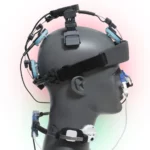
The pioneer in this field is Vielight, a company in Toronto Canadaphotobiomodulation duo device that has engineered photobiomodulation devices which deliver the light therapy with head helmets and nasal applicators illustrated in the image to the right. Visit   (https://www.vielight.com) for more information. When ordering any of their devices be sure to claim a 10% discount with coupon code healing4me.

They also extend an invitation to return a device after six month of use to claim an 80% refund if you do not celebrate an improvement in symptoms.

Vielight alone has sponsored 30 independent studies using their devices to evaluate the value of photobiomodulation as a therapy for Alzheimers, Parkinsons and other brain challenges.

I invite you to take a peak at a selection of study abstracts listed published in 2024 and 2025. As you can readily ascertain, researchers across the globe now view photobiomodulation as an Alzheimer’s breakthrough.

J Alzheimers Dis. 2025 Jul 23:13872877251361033. Improved cognitive function, efficiency, saccadic eye movement, and depressive symptoms in mild cognitive impairment with transcranial photobiomodulation

Abstract

Background Mild cognitive impairment is a critical stage with higher progression to Alzheimer’s disease, yet effective interventions are still lacking.

Objective
Some empirical studies have shown that transcranial photobiomodulation  may be effective in enhancing cognitive function. To further investigate its effectiveness, a controlled experiment was conducted.

Methods
In this study, 36 community-dwelling older adults with mild cognitive impairment were assigned to receive either real photobiomodulation (experimental group; n = 25) and others without intervention (control group; n = 11) over three weeks.

Results
Compared to the control group, the experimental group demonstrated significant improvements. They showed enhanced cognitive efficiency, as evidenced by improved visual working memory performance, reduced anti-saccade latency, higher scores in the Montreal Cognitive Assessment, and faster completion time in the Shape Trail Test B. In addition, significantly more participants in the experimental group showed improvement in depressive symptoms after the intervention.

Conclusions
These findings provide evidence that photobiomodulation effectively improve neuropsychological, physiological, and psychological outcomes in individuals with mild cognitive impairment.

J Clin Med. 2025 Mar 6;14(5):1766. Efficacy of Transcranial Direct Current Stimulation and Photobiomodulation in Improving Cognitive Abilities for Alzheimer’s Disease: A Systematic Review

Abstract

Background: Due to the increasing global prevalence of Alzheimer’s dementia, neuromodulation techniques such as transcranial direct current stimulation and photobiomodulation are considered potential complementary therapies.

Objective: We assessed the efficacy and safety of both therapies  and their potential to enhance cognitive functions in individuals with Alzheimers.

Methods: This review primarily examined studies designed to evaluate the efficacy, followed by an assessment of the safety of the two therapies for people with Alzheimers.. The databases searched resulted in a review of 17 published randomized and controlled trials.

Conclusions: Both  transcranial direct current stimulation and photobiomodulation improved cognitive abilities.


J Alzheimers Dis.
2025 Mar;104(1):52-60. Effects of whole-head 810 nm near-infrared therapy on cognitive and neuropsychiatric symptoms in Alzheimer’s disease: A pilot study

Abstract

Background
Alzheimers disease is a progressive neurodegenerative disorder characterized by significant cognitive and behavioral impairments. Photobiomodulation (Near-infrared light) treatment has shown potential in cognitive improvement in previous studies.

Objective
This study investigated the safety and effects of whole-head 810 nm Near Infrared Light therapy in Alzheimers patients, including long-term efficacy.

Methods
Nine Alzheimers patients completed 4-month treatment (810 nm, 100 mW/cm², 30 min/session, 6 sessions weekly). Safety and efficacy were evaluated at baseline, months 2 and 4, and 2-month post-treatment.

Results
After four months of whole-head NIR treatment, mean changes from baseline on the Mini-Mental State Examination were 3.2 (= 0.02). Mean changes from baseline on the Alzheimer’s Disease Assessment Scale-Cognitive were -5.0 (= 0.05), mean changes from baseline on the Montreal Cognitive Assessment were 1.9 (= 0.12). Mean changes from baseline on the Neuropsychiatric Inventory were -4.2 (= 0.47). These benefits were sustained two months at least. With no device-related adverse effects were reported.

Conclusions
Whole-head near infrared light therapy is safe and offers promising benefits for Alzheimers patients.


Alzheimers Res Ther.
2024 May 21;16(1):114. Photobiomodulation in experimental models of Alzheimer’s disease: state-of-the-art and translational perspectives

Abstract

Despite decades of research into therapeutic strategies for Alzheimers, effective prevention or treatment for this devastating disorder remains elusive.

In this review, we discuss the potential of photobiomodulation  for preventing and alleviating AD-associated pathologies with a focus on the biological mechanisms underlying this therapy.

The available evidence indicates that different treatment paradigms, including transcranial and systemic photobiomodulation, along with the recently proposed remote Photobiomodulation, all could be promising for Alzheimer’s.

Photobiomodulation exerts diverse biological effects, such as enhancing mitochondrial function, mitigating the neuro-inflammation caused by activated glial cells, increasing cerebral perfusion, improving glymphatic drainage, regulating the gut microbiome, boosting myokine production, and modulating the immune system.

Conclusion: We suggest that photobiomodulation serves as a powerful therapeutic intervention for AD.

Future Sci OA. 2024 May 24;10(1):FSO922. Unleashing light’s healing power: an overview of photobiomodulation for Alzheimer’s treatment

Abstract

Aim: Photobiomodulation involves the use of low-level light therapy or near-infrared light therapy found to be useful in the treatment of a wide range of neurological diseases.

Objective: The aim is to review the mechanism and clinical applications of photobiomodulation therapy in managing Alzheimer’s disease.

Methods: To ensure that the consensus statement accurately reflects both the experts’ viewpoint and the most recent developments in the field, the expert opinions were recorded and thoroughly reviewed.

Results: Photobiomodulation elicits reduction of beta-amyloid plaque, restoration of mitochondrial function, anti-inflammatory and antioxidant properties with a stimulation in ATP synthesis.

Conclusion: Photobiomodulation could be helpful in patients non-responsive to traditional pharmacological therapy providing significant aid in the management of Alzheimer’s disease.

Photodiagnosis Photodyn Ther. 2024 Apr:46:103991. Photobiomodulation’s potential as a non-invasive therapy for alzheimer’s disease and minimal cognitive impairment: A 12-week investigation. 

Abstract


Background: 
To explore the realm of non-pharmacologic therapies, our study evaluates the 12-week impact of non-invasive Photobiomodulation light therapy on cognitive and psychological aspects in individuals with Alzheimer’s and minimal cognitive impairment.

Method: 13 patients (6 case patients and 7 control patients) participated in the study. Sham treatment was administered to seven individuals, while another six received photobiomodulation treatment over 12 weeks, with daily at-home LED (810 nm wavelength) device usage lasting 20 min.

Results: The mean reduction of Hamilton’s anxiety questionnaire score was 3.33±6.08 in the intervention group and 2.00±3.46 in the control group (p-value=0.836). The mean score reduction of the Hamilton depression questionnaire was 3.16±3.86 in the intervention group and 4.85±6.20 in the control group (p-value=0.836). The mean score of the DAD questionnaire in the intervention group before the study was 25.50±13.13 and after the intervention was 29.83±12.12 (p-value=0.084) and in the control group it was 29.71±8.19 and after the study was 29±0.972 (p-value = 0.526). The mean changes in the DAD questionnaire score in the intervention group increased by 4.33±4.92 and decreased by 0.71±2.81 in the control group (p-value=0.041).

Conclusion:  Photobiomodulation light therapy holds promise as a potentially safe method for enhancing the cognitive, functional, and psychological status of individuals with Alzheimer’s disease.

Int J Mol Sci. 2024 Jan 28;25(3):1625. Photobiomodulation for Neurodegenerative Diseases: A Scoping Review

Abstract

Based on the characteristics of neurodegenerative diseases such as Alzheimer’s disease and Parkinson’s disease which have prolonged incubation periods and protracted courses, exploring non-invasive physical therapy methods is essential for alleviating such diseases and ensuring that patients have an improved quality of life.

Photobiomodulation  uses red and infrared light for therapeutic benefits and functions by stimulating, healing, regenerating, and protecting organizations at risk of injury, degradation, or death. Over the last two decades, photobiomodulation has gained widespread recognition as a non-invasive physical therapy method, showing efficacy in pain relief, anti-inflammatory responses, and tissue regeneration. Its application has expanded into the fields of neurology and psychiatry, where extensive research has been conducted.

This paper presents a review and evaluation of studies investigating photobiomodulation in neurodegenerative diseases, with a specific emphasis on recent applications in Alzheimers and Parkinsons treatment for both animal and human subjects. Molecular mechanisms related to neuron damage and cognitive impairment are scrutinized, offering valuable insights into PBM’s potential as a non-invasive therapeutic strategy.

Robert Rodgers PhD
Founder 2005
https://www.alzheimersrecovery.com
Alzheimers Recovery®

Alzheimer Therapy

An Alzhiemer Therapy you have likely never heard about: https://trudose.com

TruDOSE™ IV platelet therapy is a groundbreaking regenerative treatment that harnesses the healing power of blood platelets. This technology calibrates the optimal dosage of platelets to restart your immune and repair systems, effectively combating systemic inflammation.

Since 2018, TruDOSE™ has successfully treated thousands of patients worldwide, addressing chronic conditions and systemic inflammation with excellent outcomes.

The entire experience, from start to finish, takes about an hour and is designed to be straightforward, minimally invasive and effective. With TruDOSE™, your blood is the key to unlocking powerful healing potential.

How to Get Started with a Platelet Alzheimer Therapy

One way to kick start this therapy is to obtain a treatment from a clinic that offers the Trudose platelet therapy. They recommend you get up to 4 transfusions for best results. The cost can be $1,000 to $1,500 per treatment.

I suggest an alternative first step before beginning Platelet treatments from a clinic. Donate blood at least once or twice a week for several weeks. Do you feel better after donating blood?

If you do, I would speculate Trudose platelet therapy would prove beneficial. If you do not have the resources to pay for this therapy, continue donating blood every week.

Why is donating blood beneficial? The body is immediately signaled to make new platelets when blood is siphoned off. One reason Trudose therapy is beneficial is because they extract several pints of blood. This automatically instructs the body to make new platelets. The critical body of new platelets  begin circulating throughout the body to remove harmful toxins, bacteria and viruses.

The Trudose therapy returns a much smaller quantity of blood initially drawn that has a high concentration of platelets. They perform an initial test to determine the precise concentration of platelets needed for your body.

The important discovery here is that platelets can help remove the nasty critters that are responsible for dementia. This discovery reveals the function of platelets is much more comprehensive than simply performing the function of clotting.

Summary

There is a listing of clinics that offer Trudose therapy on their website (https://www.trudose.com). As a relatively new therapy, clinics that offer it are not found in every state or country, though many are climbing on board as word gets out about its effectiveness as a treatment for a variety of health challenges.

At at minimum, I recommend you donate blood. If you feel better, you might even consider traveling to get the treatment.  At a minimum, continue donating blood every week if you find this gives you extra energy and helps improve memory and overall cognition.

Robert Rodgers PhD
Founder 2005
Alzheimers Recovery®
https://www.alzheimersrecovery.com

 

Vitamin B12 Deficiencies with Dementia

There is conclusive research evidence for Vitamin B12 deficiencies with dementia. Maintaining good levels of B12 has been shown to  reduce the chances of dementia. Will taking a B12 supplement improve memory and cognition?

The jury is still out. My view is that we know levels of B12 are deficient, it should be supplemented.

Vitamin B12 plays a crucial role in brain health and cognitive function. Studies find it is critical for individuals with Alzheimer’s disease or cognitive decline. Why? B12 deficiency causes cognitive impairment.

Why Do Vitamin B12 Deficiencies with Dementia Exist?

  1. B12 Deficiency and Cognitive Impairment:
    • Vitamin B12 deficiency leads to cognitive problems, memory loss, and even neurological damage. Deficiency is common in older adults and it may contribute to symptoms that mimic or exacerbate cognitive decline, including conditions like Alzheimer’s disease.
    • People with Alzheimer’s or other forms of dementia have lower B12 levels compared to healthy individuals. Addressing a B12 deficiency in such cases can improve cognitive function.
  2. Homocysteine Levels:
    • One of the key roles of B12 is to help regulate homocysteine, an amino acid that, when elevated, is thought to increase the risk of cognitive decline and Alzheimer’s disease. High levels of homocysteine are linked to an increased risk of AD, and B12 helps convert homocysteine into other substances, reducing its harmful effects.
    • Some studies have found that supplementing with B12, along with folate (which also help lower homocysteine levels), slows cognitive decline in those with mild cognitive impairment. An abstract of one such study follows:
 
J Prev Alzheimers Dis. 2021;8(3):249-256. Effects of Folic Acid and Vitamin B12 Supplementation on Cognitive Impairment and Inflammation in Patients with Alzheimer’s Disease: A Randomized, Single-Blinded, Placebo-Controlled Trial
 Abstract

Objectives: To evaluate the combined action of folic acid and vitamin B12 supplementation on cognitive performance and inflammation in patients with Alzheimer’s disease (AD).

Design: This was a randomized, single-blind, placebo-controlled trial.

Participants: Patients (n=120) diagnosed clinically as probable AD and in stable condition from Tianjin Key Laboratory of Cerebrovascular and Neurodegenerative Diseases.

Measurements: Individuals were randomly divided into the intervention group (n=60, folic acid 1.2 mg/d + vitamin B12 50 μg/d) and the placebo group (n=60). Cognitive performance, blood folate, vitamin B12, one carbon cycle metabolite, and inflammatory cytokine levels were measured at baseline and after 6 months. The data were analyzed using linear mixed models for repeated measures.

Results: A total of 101 participants (51 in the intervention group and 50 in the placebo group) completed the trial. Folic acid plus vitamin B12 supplementation had a beneficial effect on the MoCA total scores (P=0.029), naming scores (P=0.013), orientation scores (P=0.004), and ADAS-Cog domain score of attention (P=0.008), as compared to those of the control subjects. Moreover, supplementation significantly increased plasma SAM (P<0.001) and SAM/SAH (P<0.001), and significantly decreased the levels of serum Hcy (P<0.001), plasma SAH (P<0.001), and serum TNFα (P<0.001) compared to in the control subjects.

Conclusions: Folic acid and vitamin B12 supplementation showed a positive therapeutic effect in Alzheimers patients who were not on a folic acid-fortified diet. The findings of this study help to delineate nutrient intervention as far as public health management for the prevention of dementia is concerned.


Biomolecules. 2022 Jan 14;12(1):129. Mechanistic Link between Vitamin B12 and Alzheimer’s Disease

Abstract

Alzheimer’s disease (AD) is the most common form of dementia in the elderly population, affecting over 55 million people worldwide. Histopathological hallmarks of this multifactorial disease are an increased plaque burden and tangles in the brains of affected individuals.

Several lines of evidence indicate that B12 hypovitaminosis is linked to AD. In this review, the biochemical pathways involved in AD that are affected by vitamin B12, focusing on APP processing, Aβ fibrillization, Aβ-induced oxidative damage as well as tau hyperphosphorylation and tau aggregation, are summarized.

Besides the mechanistic link, an overview of clinical studies utilizing vitamin B supplementation are given, and a potential link between diseases and medication resulting in a reduced vitamin B12 level and AD are discussed. Besides the disease-mediated B12 hypovitaminosis, the reduction in vitamin B12 levels caused by an increasing change in dietary preferences has been gaining in relevance.

In particular, vegetarian and vegan diets are associated with vitamin B12 deficiency, and therefore might have potential implications for AD. In conclusion, our review emphasizes the important role of vitamin B12 in AD, which is particularly important, as even in industrialized countries a large proportion of the population might not be sufficiently supplied with vitamin B12.

Robert Rodgers PhD
Founder 2010
Alzheimers Recovery